Questions? Contact Us

1.800.AU PAIRS

(1.800.287.2477)
+1.212.924.0446 if outside the U.S.
161 Sixth Avenue
New York, NY 10013

All Americans Can Benefit From Learning Another Language

Residents of many nations in Europe are well-known for being polyglots, sometimes speaking as many as a half-dozen languages. Countries like Belgium and Austria that share borders with multiple nations and numerous different cultures often place a great emphasis on understanding an array of languages. Being somewhat more geographically separated, the U.S. sometimes sees learning other languages as more of a luxury, leading some to imagine multi-lingual skills are not important to Americans.

NBCDFW.com reports on a story that illustrates how untrue that sentiment is. The National Association for Bilingual Education runs an annual competition that offers a $1,000 reward for the student who best describes the importance of bilingual education, while demonstrating their skill in a foreign language.

Many people might imagine this kind of an award might favor Americans who learned English as a second language, but the actual winner was fourth grader Hanna Allen of Irvine, Texas. Hanna, a native English-speaker, has actually been learning Spanish for more than four years now. Like a growing number of school districts around the country, Irvine has created a set of bilingual education programs that switch back and forth between English and Spanish from week to week. The town offers the program in two of its elementary schools and one of its middle schools

"I was questioning when my kids entered kindergarten, would they learn everything they needed to learn?" Janabeth Allen, Hanna’s mother, told NBCDFW. She was worried that learning in two different languages would prove a detriment to her children, but she was quickly won over as she began to realize her children were learning everything they would have otherwise, but now in two languages.

The potential for this kind of diversified education is hardly restricted to a particular language or culture and there are other options for such exposure beyond bilingual education programs. While study abroad programs are not really appropriate for younger children, parents can also expose their children to new cultures in their own homes.

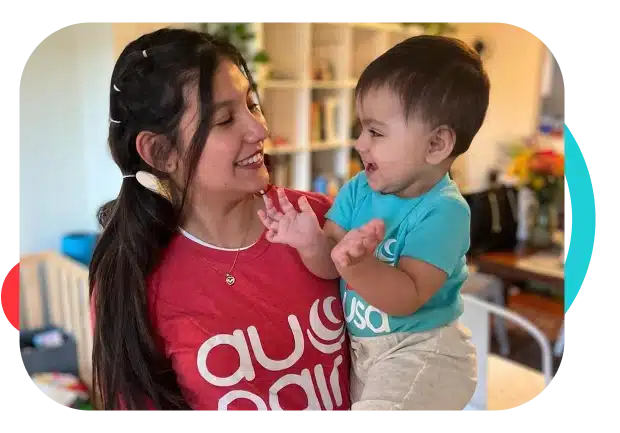
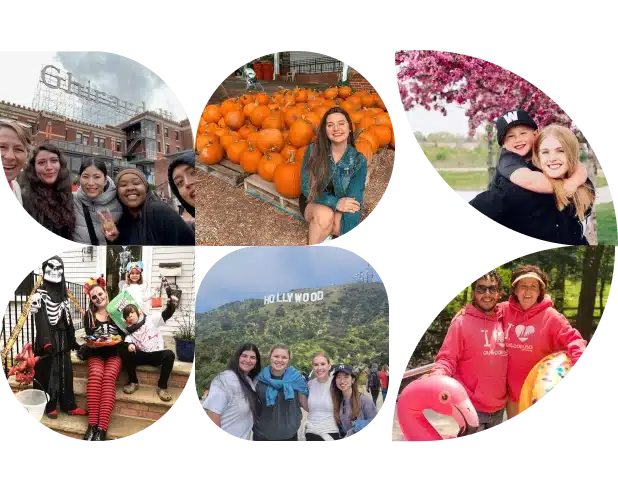
Cultural exchange organizations connect parents to au pairs from around the world who can help teach children a new language as well as provide a window into their cultures. This relationship offers the advantage of even more regular cultural and language exposure than most bilingual education programs offered through schools.

Hanna’s principal, Julie Miller, notes that research illustrates the cognitive advantages of this kind of diversified education, giving students broader ways to think and to express themselves.

Meanwhile, to Janabeth, simply knowing a second language itself could prove to be a boon to her children, and she plans to keep all three of them in bilingual education.