Global Foods One of Many New Experiences Au Pairs Bring to Families
January 3, 2012
When people travel abroad, often the moment when it first sinks in that they are in a drastically different place is when they sit down for their first meal and cannot recognize a single dish on the menu. Food holds a central role in every culture, with familiar sights, smells and tastes so heavily associated with home.
"It's a key part of feeling at home," Susan Riggs, the house supervisor for Ronald McDonald House near Oregon Health & Science Universities, told The Oregonian.
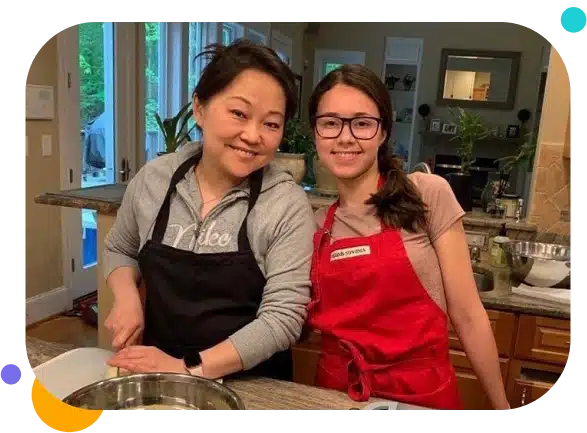
It was with this in mind that Martina Krajcirova, Marta Garcia, Tanja Glujic-White and many of the other au pairs in the Portland area, who came to the U.S. through cultural exchange programs, got together to cook for the families staying at the Ronald McDonald House West.
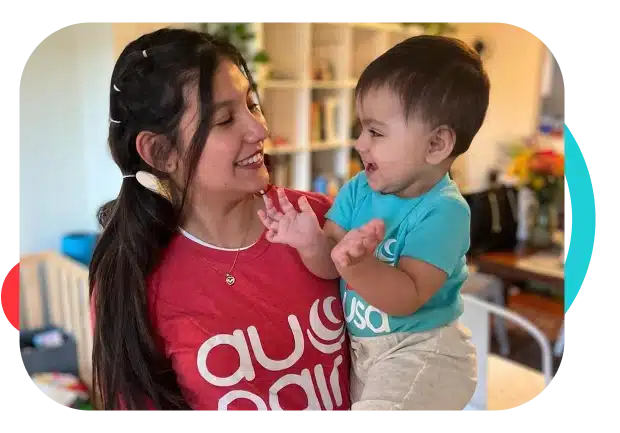
Au pairs provided by cultural exchange organizations meet different goals depending on the expectations of their host families: parents gain another reliable set of hands to help them manage young children without breaking the bank for child care, while the au pairs are given the opportunity to travel to often distant locales with a steady job along with full room and board at the other end.
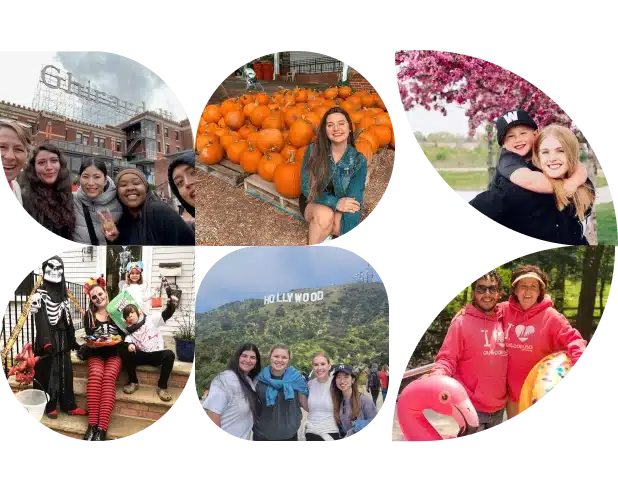
But the children being cared for are offered an interesting and unique benefit, having the opportunity to learn on a daily basis about a different culture they might never have known about otherwise. Coming from all over the world, au pairs bring different perspectives, traditions and even languages, all of which children can be given the opportunity to learn in a positive and nurturing environment.
That same idea was what the au pairs of the Portland area hoped to bring to the families of the Ronald McDonald House, a charitable organization.
Eight au pairs from the region came together from eight different countries and eight drastically different culinary traditions. When all was said and done, the Ronald McDonald House West had a meal that ranged from sushi and miso soup from Japan to Spanish omelets.
The broader awareness provided by cultural exchange programs, such as ones that sponsor au pairs, can prove important for the development of young children in the U.S., whether through volunteering or simply through the daily care au pairs normally provide. The unique advantage of such programs is that they can provide a level of engagement that even traveling abroad cannot usually match, simply because of the regular interaction involved.