Have you ever gotten air on a skateboard? There’s a moment, after the peak of the jump as you’re on the way down, where you feel euphoric and terrified simultaneously. You’re flying! …But you also might land incorrectly and knock out all your teeth. This intensity is probably why skateboarding has been a part of youth culture for decades. And it’s not just the sport itself: from Vans shoes to Tony Hawk video games, the culture surrounding skateboarding culture is as intense. Although it’s now a global phenomenon, skateboarding has a particular place in American popular culture. Read on to find out more!
The “Early Days” of Skateboarding
The skateboarding culture was born in Southern California in the 1960s. Several clothing brands currently associated with the scene, such as Vans, got their start then, too. The 1960s saw a tremendous cultural clash in the USA. The generation of adults that fought in World War II was at that time fighting the values of their children – now known as “Baby Boomers” – who took more liberal views on pretty much everything. This included sports and leisure activities. California’s Baby Boomer youth culture in the 1960s was marked by teenagers congregating outside in the state’s temperate weather. This meant cruising in cars – a novel thing for teenagers to own at this point in American history – and on skateboards.
Growing Popularity
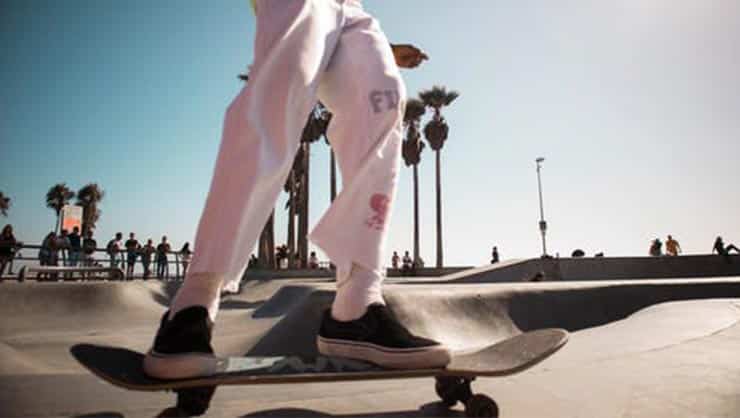
Whether it’s a longboard or short penny board, you may notice that these variants are not exactly aerodynamic. Accordingly, the early decades of skateboarding were less about people doing tricks and more about using boards as an aesthetic or quirky means of transportation. In the 1980s and 90s, however, skateboarding exploded in popularity. In the 80s, a cadre of young, serious-minded skaters were poised for success in the following decade.
The 1990s were extreme! That is, marketing and advertising leaned on the word “extreme” in various media – music, television, video games, and even fashion. This extended to sports: 1994 saw the debut of the “X Games” – televised competition of sports that had previously been out of the mainstream eye, such as snowboarding, surfing, and skateboarding. These were indeed extreme sports: success meant taking risks, and failure often resulted in injury.
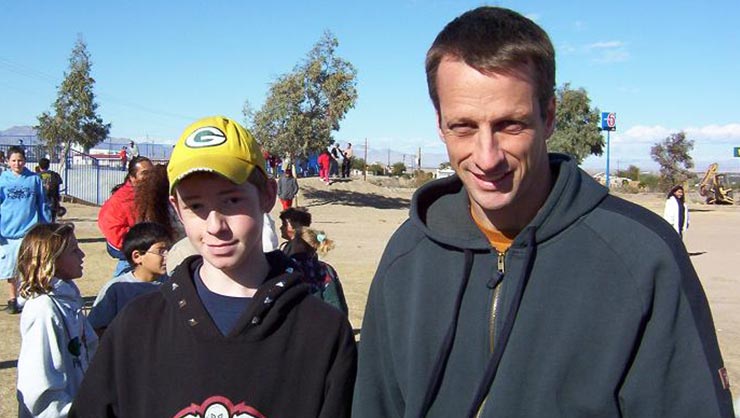
Tony Hawk – famous for being the first to land the skateboarding trick known as the 900 successfully – rode the wave of this popularity. In 1999, Tony lent his name and likeness to an increasingly popular and influential video game series: Tony Hawk’s Pro Skater. Similarly, all serious video gamers of these generations have played his games. (The first two were recently remade as Tony Hawk’s Pro Skater 1 + 2.) Skateboarding’s popularity rolled into the 2000s.
Modern Skateboarding Culture
Whereas skater fashion was a distinct subculture in the 1990s and 2000s, in the 2010s, the style started to blend with other cultures. By the late 2010s, the “hypebeast” emerged. The hypebeast style combines skater clothes with other “streetwear” and a gritty, tattooed aesthetic. Popular hypebeast brands include Supreme, A Bathing Ape (or “Bape”), and Anti Social Social Club.
From a ’60s California leisure activity to a legitimate sport – and now adorning the feet of teenagers worldwide – the skateboarding culture has drastically evolved from its humble beginnings.