The United States is a massive country (nearly the size of all of Europe) with unmatched geographical diversity, and we encourage you to explore it as much as possible during your time here. However, we understand that situations arise when you may want or need to leave the U.S. during your program. In most cases this shouldn’t be a problem.

International Travel Checklist
You should be able to travel internationally and return to the U.S. as long as:Can I travel internationally during my extension period?
If you travel outside of the U.S. during your extension period, you will need to secure a new visa to re-enter, and the approval of this visa is not guaranteed. If you have been approved for an extension, InterExchange will issue a new DS-2019 form reflecting your new extended program dates. However, the J-1 visa in your passport will still expire according to the expiration date printed on the visa itself. You are allowed to remain in the U.S. for the duration of your extension, but if you travel outside of the U.S., you will need a new visa to enter the U.S.. While it is possible to apply for a new J-1 visa in your home country, there is no guarantee that the visa will be granted, and therefore any international travel during your extension is at your own risk.Can I travel internationally during my 30-day grace period?
No, you cannot travel internationally during your travel month. Both your DS-2019 form and J-1 Visa will be expired. Use your last 30 days to enjoy all the U.S. has to offer.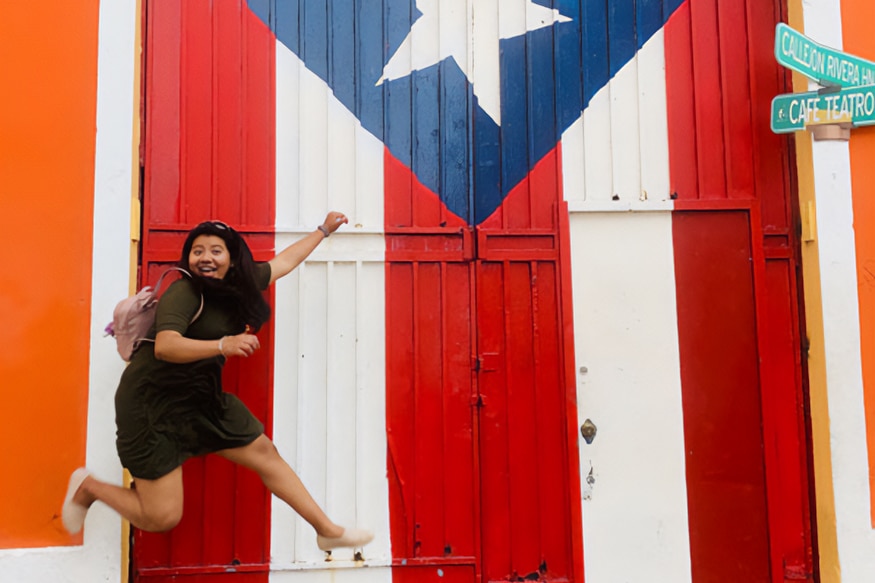
Things to Remember When Traveling
- Puerto Rico and the U.S. Virgin Islands are territories of the U.S., not separate countries. This means that you can visit them just like you would any other state in America as long as you do not have connecting flights in any other countries. As with any domestic air travel, be sure to carry your passport for identification purposes.
- Always keep your passport up-to-date. You must have at least six months remaining on your passport before it expires to re-enter the U.S.
- When you travel, you will need to take all of your original documents with you. Photocopies are not valid documentation for travel.
- If you lose your passport during your program and need a replacement, you’ll need to contact your country’s embassy or consulate in the United States. You will not be able to travel internationally and return to the U.S. with the replacement passport, as it will not have a J-1 Visa attached within it.