2019 Christianson Fellow Jakelynn Wert spent six months volunteering in Indonesia with the Biosphere Foundation before college during her gap year. As the organization’s International Youth Trash Champion, she helped raise awareness about trash management and sustainable waste practices.
For the last four months, the Biosphere Foundation’s Trash Team has been educating 89 students at the local elementary school SDN4 in Northwest Bali about sustainable waste management.
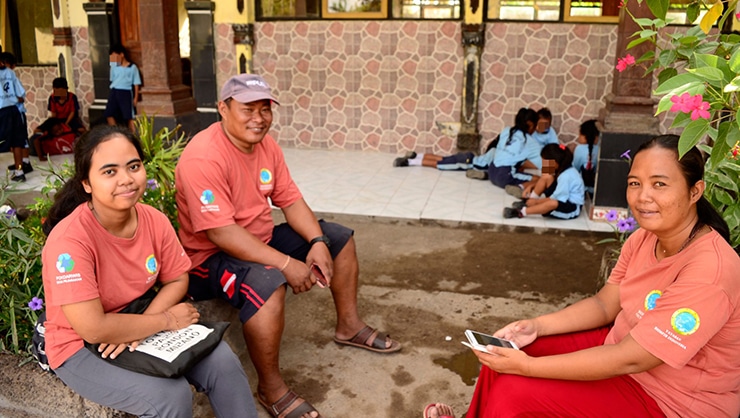
Image courtesy of Jakelynn Wert
Every visit is a new learning experience, and we take away something we could do better! To begin, we started with the waste basics: What is waste? Where does it come from? What happens to it when we burn it, litter, or throw it away?
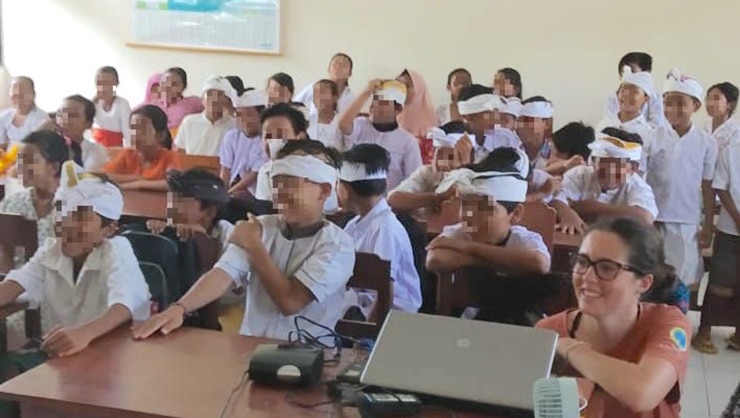
Image courtesy of Jakelynn Wert
Although these questions seem very simple, they are something to consider for everyone who is a consumer of disposable goods. The answers vary depending on each person’s location, access to infrastructure, and understanding of waste.
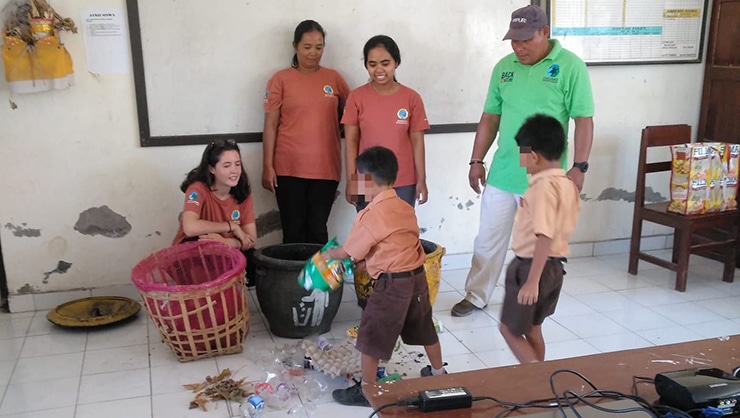
Image courtesy of Jakelynn Wert
Single-use soft plastic can only be recycled once. The Trash Team uses skits and games for modeling behavior and they’ve been a great way for students to practice saying Tidak terima kasih. Tolong, tidak plastik! (“No thank you. No plastic please!”)
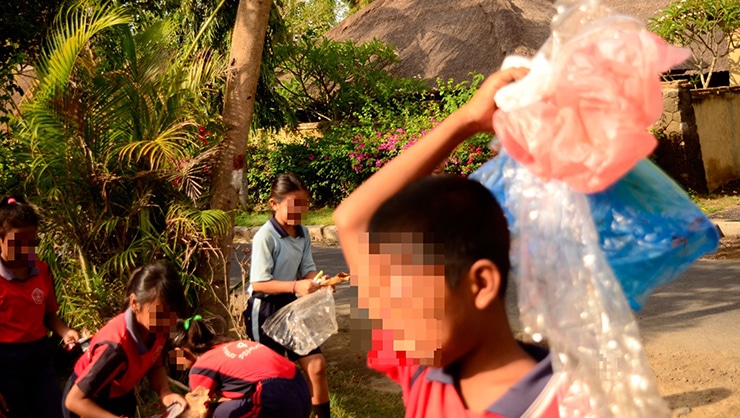
Image courtesy of Jakelynn Wert
Here, the consequences of our consumeristic choices are localized and obvious. The plastic bag used to carry produce from the market shows up in the yard, blocking a neighborhood stream, or in your lungs as toxic smoke. When working with students, we try to emphasize these direct consequences, as well as the global impact.
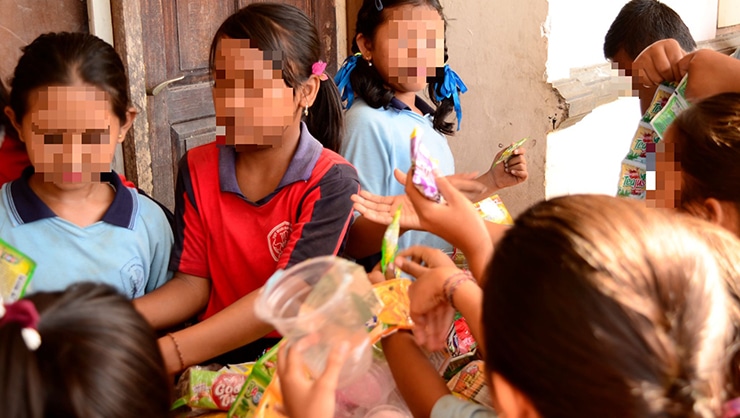
Image courtesy of Jakelynn Wert
Reducing single-use plastic is our most important goal, yet the most difficult to address. Most daily essentials—water, shampoo, bite-size portions of food—are all packaged in sealed cups, plastic, and sachets. These are short-term, financially viable options for families who don’t have the resources to buy in bulk, but which result in an immense amount of single-use plastic.
Thinking about this issue on the scale of a neighborhood is overwhelming, and even more so when taking into account the population of an entire village, region, country, or species.
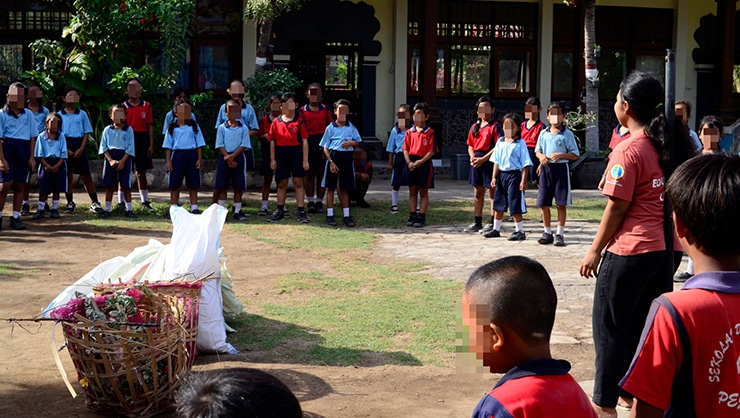
Image courtesy of Jakelynn Wert
When working with SDN4 School, the scale is focused on 89 students. We’re doing our best to tackle a localized trash problem through education, modeling, and encouragement—creating a positive cycle that starts with the student and expands throughout the community.
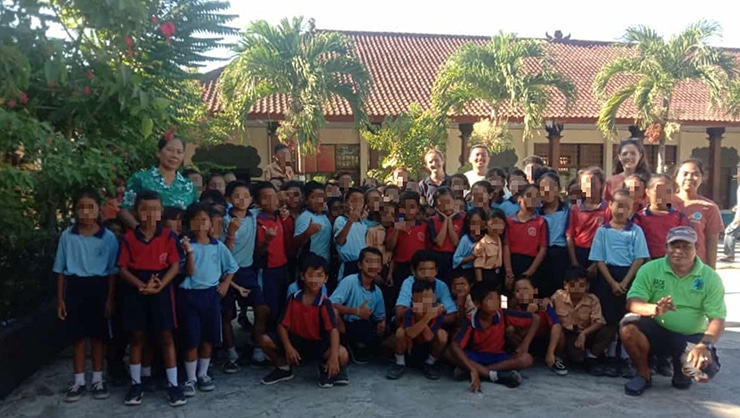
Image courtesy of Jakelynn Wert
While this is a tiny movement in the looming face of global waste management, we’re doing our best to take this step, and the next, to address this issue together!