You’ve taken a big step: traveling across the world for real-world professional training. At the same time, you’ll be navigating a new culture and possibly a new language.
With so many changes happening at once, building a support system isn’t just helpful. It can shape your entire experience. Here are some practical ideas to help you connect with others and build relationships during your time in the U.S.
Start Where You Are: Your Host Organization
The most natural place to make friends is during your internship or traineeship. You already share common ground with your colleagues, see them daily, and share an environment built around collaboration and company culture. Accept invitations to team lunches and company events whenever you can as these informal moments often lead to genuine connections.
Keep in mind, while connecting with other international participants provides comfort and shared understanding, branching out to American colleagues deepens your cultural immersion. As in any professional environment, use good judgment about boundaries, personal information, and appropriate conversation topics.
Get Active in Your Community
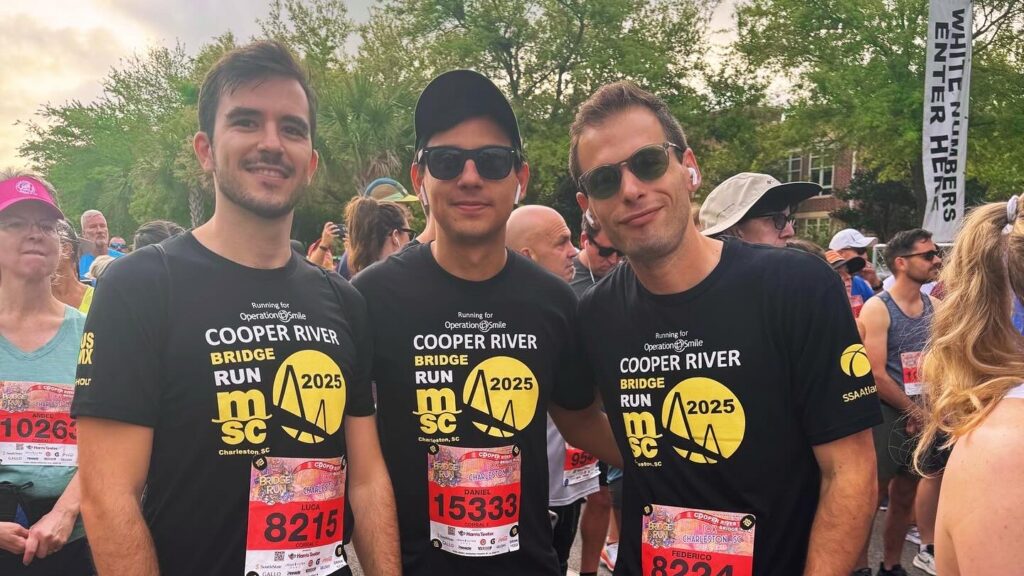
Building friendships outside of a professional environment helps you maintain work-life balance.
Start with activities you already enjoy. If you like staying active, join a gym or fitness class.
Interested in learning something new? Try a cooking or art workshop. Many U.S. cities have recreational sports leagues that welcome individual sign-ups and include social events after games, an easy way to meet people with shared interests.
If faith is part of your life, attending services can be another great way to build community. Religious organizations typically offer consistent weekly gatherings, young adult groups, volunteer opportunities, and social events. These communities are often welcoming to newcomers, making friendship-building feel organic.
How to find these opportunities:
- Search “[your city] + [activity]” online
- Check Meetup for local interest groups
- Visit your city’s parks and recreation department website
- Look up local religious organizations in your area
Volunteer Your Time

Volunteering is also a great way to meet Americans who care about their community and are eager to support others. Whether you help at a food bank, join a neighborhood cleanup, or assist at farmers markets and community festivals, these events welcome newcomers and create opportunities for conversation.
Community service also connects you with people who share your values and is a practical way to improve your English in real-world situations. You’ll learn phrases and cultural norms that don’t come up in a classroom or office.
The flexibility works well for busy schedules too. You can volunteer once at a weekend event or commit to regular shifts, depending on what fits your life.
Where to find these opportunities:
- VolunteerMatch.org – matches you with local nonprofits
- Idealist.org – lists volunteer opportunities
- Follow city tourism sites and local social media
- Contact local nonprofits directly
Experience Local Events

Another simple way to make connections while experiencing American cultural traditions is by attending local events.
What’s available depends on when and where you’re staying in the U.S. It could be an outdoor concert in a large city or an art show at your neighborhood coffee shop. Better yet, find a recurring event so you’ll see the same faces over time.
Unlike volunteering, which is more structured, simply showing up to events gives you the freedom to explore at your own pace and strike up conversations organically.
Helpful tip: Arriving early to events can make starting conversations easier. People are usually more relaxed before things get crowded. Don’t be afraid to ask someone about the event itself or for recommendations on what else to check out in the area.
Where to find these opportunities:
- Your city’s tourism or events website
- Local newspaper event listings (print and online) – especially in smaller towns
- Follow local Instagram and Facebook accounts
- Search “[city name] events this weekend”
Everyday Connections

While the ideas above help you be more proactive, don’t underestimate the value of forming connections as you go about your day. Be the first to introduce yourself, start conversations, or ask for local recommendations. Taking the initiative, instead of waiting for others to approach you, shows others you’re friendly and open to connecting.
Popular apps for meeting people:
- Meetup – in person or virtual group events based on interests
- Bumble BFF – works like a swipe/match dating system but for platonic friendships
Making Friendships Last

Depending on where you’re from, you may notice differences in how Americans socialize. There can even be significant regional variations. People on the fast-paced East Coast may interact differently than those in the slower-paced Midwest. Here are some cultural patterns to keep in mind, though these are generalizations that won’t apply to every place or person.
Small talk. Most American friendships begin with what’s called “small talk”—lighter topics like the weather, sports, or shared interests. This builds a foundation of friendliness and trust before moving into deeper subjects like politics, religion, or personal challenges. Let connections unfold organically rather than forcing intimacy too quickly.
Need conversation starters? Try these:
- “I’m new here. What do you recommend?”
- “How did you get into [this activity]?”
- “I’m from [country]—have you traveled internationally?”
- “What do you do for fun on weekends?”
- “Can I ask you about [something American you’ve noticed]?”
Friendliness vs. friendship. Americans are often warm and chatty with strangers, but these interactions are usually brief with no expectation of seeing each other again. While some of these encounters can turn into lasting friendships, it’s not the norm—especially in larger cities. In smaller towns, you’re more likely to run into the same people regularly, which can make deeper connections easier.
Be specific. It’s common to hear phrases like “we should get lunch sometime” or “let’s catch up soon” without concrete follow-through. Life gets busy, and potential friendships can slip away without intentional planning. If you’re serious about staying in touch, suggest a specific time and place. It makes all the difference.
Above all, remember that the U.S. is extremely diverse, both regionally and culturally, with people from all parts of the world. This diversity is what makes America unique and enriching to experience. Show curiosity and kindness, and stay open to friendships across all backgrounds.
A Friend-Making Success Story
Julia from Ghana joined Career Training USA for a Sustainable Design/Architecture internship in South Carolina. She made friends quickly and built lasting connections. Here is her advice for future participants:
“During my program, I learned quickly that being open-minded made all the difference when it came to making friends. I met people from so many different countries, all with different backgrounds, opinions, and ways of seeing the world. Instead of letting those differences create distance, I leaned into them. Being curious, listening, and sharing my own experiences helped turn simple conversations into real friendships.
One of the easiest and most fun ways I connected with people was through music. My friends and I made a shared playlist where everyone added their favorite songs, and it became something we always played when we were together. It was such a small thing, but it sparked conversations, inside jokes, and moments where we realized we loved the same songs, even though we came from completely different places.
I also tried to say yes to new experiences, even when they felt a little outside my comfort zone. That mindset led to some of my favorite memories, including traveling together on a girls’ trip and realizing how close we’d become. At the same time, I stayed true to who I was and didn’t feel pressured to do everything. Being myself is what helped me build friendships that felt genuine and lasting.”
Stay Connected

However you choose to connect, being part of the Career Training USA community makes all the difference.
All incoming and current Career Training participants are encouraged to join our Participant Network. This is a great way to connect with other J-1 interns and trainees throughout the U.S. To request membership, email [email protected].
You can also connect with participants on Instagram, TikTok, Facebook, and LinkedIn, or meet them in person at program events. Join our private InterExchange J-1 Alumni group on LinkedIn for advice from program alumni.
If you need additional support, reach out to your InterExchange coordinator anytime.
The friendships you build aren’t just about making your program easier—they’re what makes this experience transformative. You’re building a global network and learning to work across cultures, skills that will serve you throughout your career.